Why Bigger Numbers in Marketing Are Good News for Your Business
Marketers love numbers and statistics, we wouldn’t be without them. They help us plan, decide, and persuade. But the numbers shaping digital marketing today are very different from a few years ago, and that’s a great opportunity for small businesses.
Between more touchpoints, longer keyword searches, and smarter algorithms, the data behind your digital marketing is growing fast. Understanding how these bigger numbers work for you can transform your results, especially when your goal is to attract higher-quality leads that actually convert.
Are Touchpoints Still Relevant?
Absolutely.
If your marketing feels like it’s working harder just to stay in the same place, you’re not imagining it. The number and nature of customer touchpoints have exploded. Between 2018 and today, the average buyer now interacts with a brand across multiple channels, often multiple times, before converting.
Touchpoints, those big or small interactions between your business and your customers, can happen in any or all of these (and multiple times):
- Online: your website, social media, email, PPC, online reviews, forums, digital PR
- Offline: print media, billboards, direct mail, traditional PR
- In-person: sales teams, events, customer service, local networking
Marketing’s Rule of 7 is well known, the idea that a person needs about seven brand interactions before taking action. Sales teams might even still quote the ‘Rule of 8’. Today, that number might be 10, 20, or even more depending on your industry.
But here’s the shift small business owners should celebrate: more touchpoints don’t just mean more noise. They mean more opportunities to connect. Because each touchpoint can be smarter, more targeted, and more relevant than before.
The number of touchpoints will be individual to your business, and there are quite a few variables. From different industries, size of business, whether B2B or B2C, customer demographics, new customers vs. repeat, the list goes on but your customers are unique to your business. Tailoring your marketing to them will benefit you both.
How Longer Keywords Expand (and Improve) the Journey
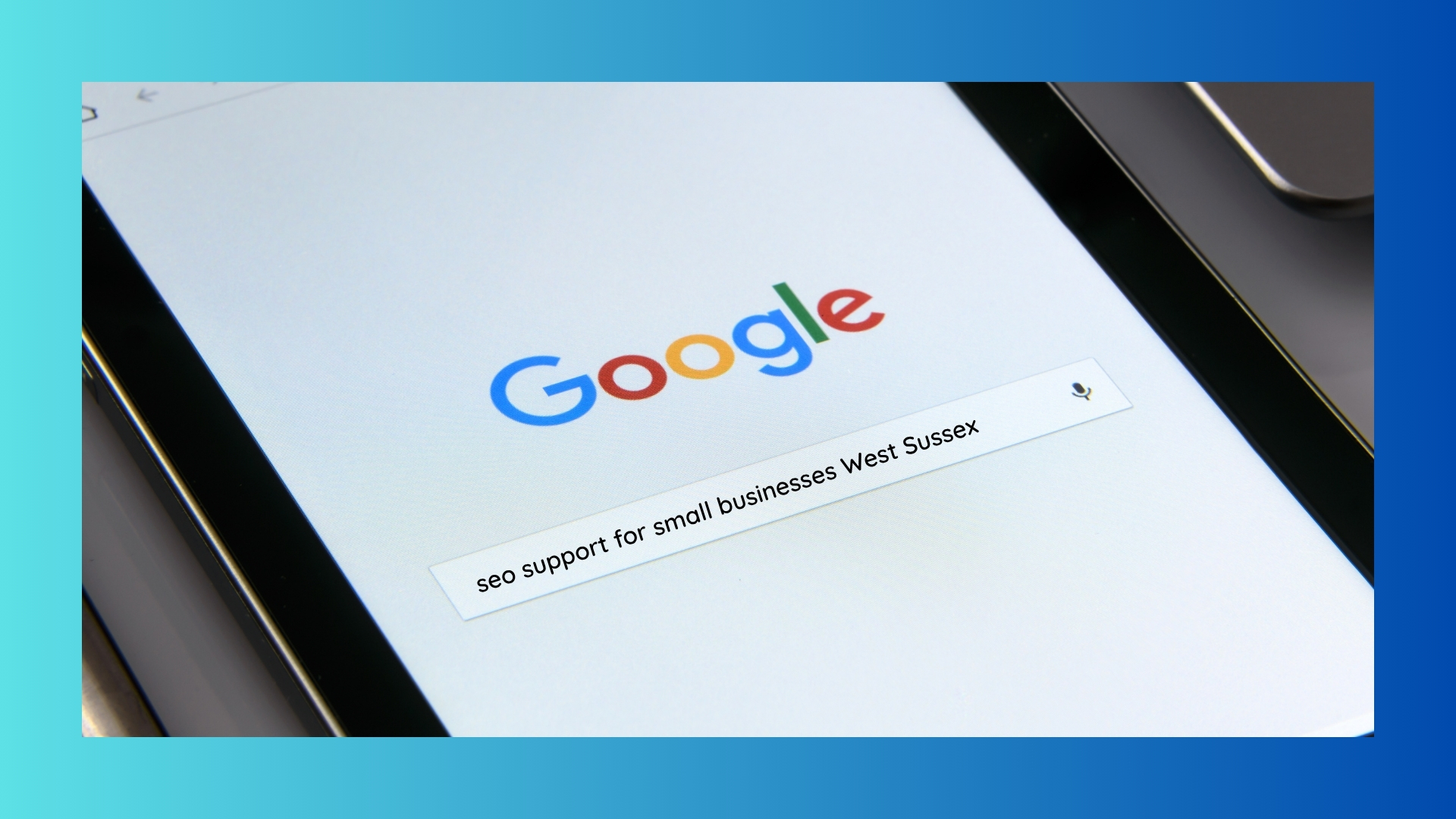
Customers don’t just “search” anymore, they ask questions. Ask Siri, Alexa, Google Assistant etc, any conversational AI, and more sophisticated search algorithms mean that instead of typing “plumber Chichester,” people might say:
“Find a plumber who specialises in contemporary luxury bathrooms near Chichester.”
Those extra words matter, and they’re changing the game.
Semrush reported back in 2021 that over half of searches were just 1-2 words in 2025 it was 3-4. Although there is no exact data for this from AI (yet, at the moment it’s modelled and predicted rather than measured) average prompts for simple questions range between 10-50 words.
These longer-tail keywords reflect real intent. They’re more specific, more personal, and often closer to the point of conversion. A customer using a 10-word query isn’t browsing; they’re looking for the right fit now.
For small businesses, that means your website and content can attract fewer, but better clicks and/or enquiries, high-quality leads that match what you do best. Et voila! That’s one touchpoint that’s much more likely to convert.
Why “More” Can Lead to Fewer (Better) Touchpoints
Here’s the good news: when someone lands on your website after a highly specific search, they’re often further along the customer journey. The conversion path is shorter because your content met them at exactly the right stage, with the exact answer or service they needed.
This changes how we think about the traditional marketing funnel. It’s no longer a neat linear path from awareness to sale. Instead, it’s a web of many micro-moments where customers dip in and out of research, reviews, and recommendations across multiple touchpoints.
The key is to be visible and relevant in those high-intent moments. That’s where thoughtful SEO and content strategy come in.
Building the Right Content for the Right Touchpoint
Effective SEO isn’t just about ranking, it’s about relevance. Great digital marketing content now needs to speak to different purposes and stages of the customer journey:
- Informational: blog posts or FAQs that help customers learn
- Commercial: comparisons or buying guides (e.g., “best accounting software for small businesses”)
- Navigational: brand-specific or local search terms (e.g. “SLEvans Marketing Chichester”)
- Transactional: service pages targeting intent to buy or inquire
- Local: optimised Google Business Profile and location-based content
By aligning your content to these intent types, you’re creating a network of meaningful touchpoints, each one improving your visibility, your credibility, and your conversion rate.
Bigger Numbers, Better Leads
So yes, there are more numbers in marketing today: more keywords, more data points, more channels, more touchpoints. But rather than being overwhelming, this expansion offers small businesses a real advantage.
When you use your data to understand where your customers are and how they search, you can create targeted, efficient campaigns that attract fewer but better interactions, and ultimately, more qualified leads.
The changes in the digital marketing landscape now rewards precision over presence. It’s about showing up smarter, at the right place, at the right time, for the right person.
Here’s a few useful/interesting links I found in the making of this blog:
- Focus Digital 2025 – 28.87 touchpoints
- Wavetec 2025 – 6 touchpoints (for retail)
- Corporate Vision 2026 – 16 touchpoints (B2B)
- Neil Patel 2025 – 11.1 touchpoints